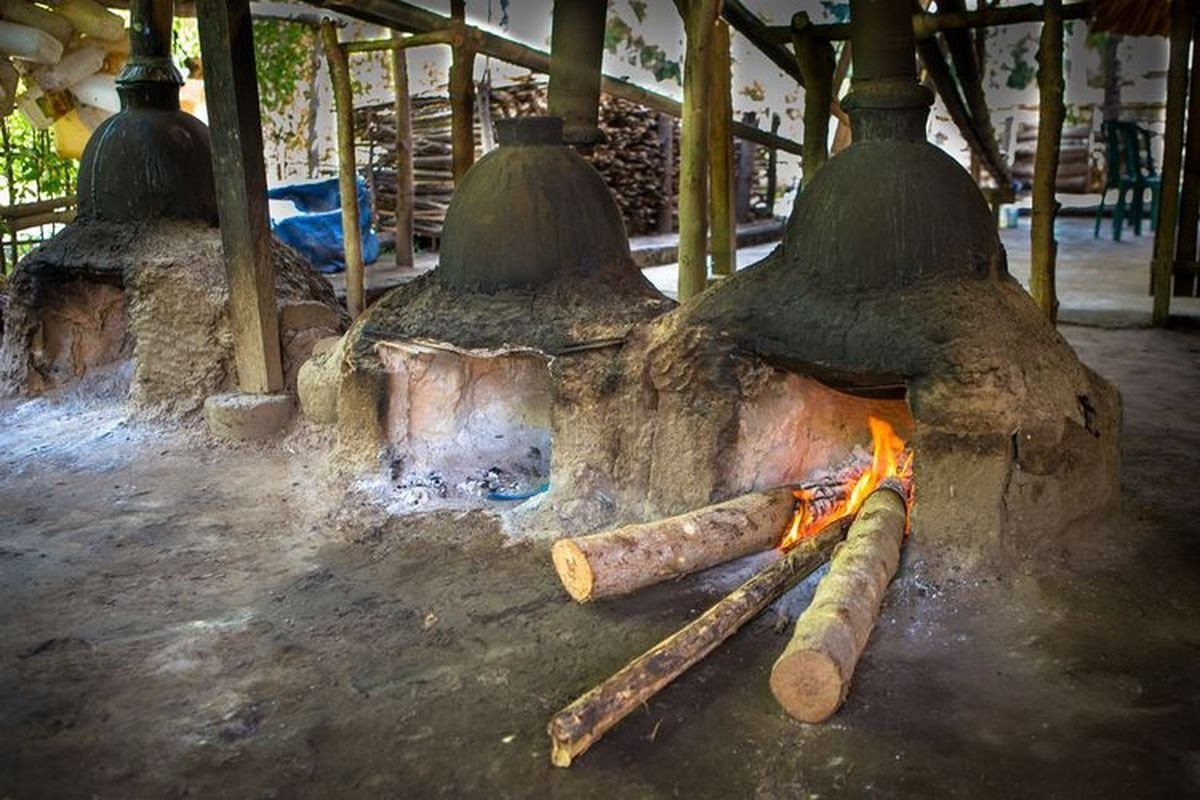
The History of Aimere and Its Distillation Traditions
Aimere, a village nestled in the heart of Flores, Indonesia, carries a rich tapestry of cultural heritage that extends beyond its picturesque landscapes. Central to this cultural identity is the traditional distillation of arak, a local alcoholic beverage, which has a deep-rooted history in the region. The origins of arak distillation in Aimere can be traced back centuries, with practices passed down through generations, reflecting the community’s values and traditions.
The process of creating arak is not merely a craft but a spiritual endeavor that embodies the essence of Aimere’s customs. Traditionally, local farmers have utilized locally sourced ingredients such as palm sap and rice to produce this distinctive spirit. The distillation methods employed involve age-old techniques, which have been refined and adapted over time, ensuring that both the quality of the arak and its cultural significance are preserved.
Arak serves as more than a beverage; it plays a fundamental role in various community events and rituals. It is often present during celebrations and religious ceremonies, symbolizing unity and hospitality among the people of Aimere. The act of sharing arak fosters social bonds and strengthens the community’s ties, making it an integral part of their gatherings. Furthermore, the rituals surrounding the distillation process often incorporate spiritual beliefs, emphasizing a connection to their ancestors and the land.
As historical influences intertwine with local customs, the craft of arak distillation has become a vital aspect of Aimere’s identity. The village not only preserves the traditions of arak-making but also honors the deep cultural legacy it represents. In contemporary times, while modern methods may have influenced production, the spirit of traditional practices remains firmly rooted in the heart of Aimere, ensuring that the legacy of arak will continue to thrive.
The Art of Distilling Arak: Ingredients and Process
The traditional process of distilling arak in Aimere is a fascinating blend of skill, culture, and heritage. Central to this age-old craft are the primary ingredients: sugarcane and rice, both of which are locally cultivated. The first step in arak production involves harvesting the sugarcane, which is subsequently crushed to extract its sweet juice. This juice undergoes fermentation, a crucial process that converts the sugars into alcohol. Simultaneously, rice is prepared through soaking and steaming, also serving as a fermentation base in some recipes.
The fermentation phase typically lasts several days, during which natural yeasts play a significant role in developing unique flavors. Distillers in Aimere have honed traditional techniques over generations, ensuring that the fermentation environment is ideal for producing high-quality spirits. Remarkably, the fermentation process may incorporate local plant materials, adding a distinctive character to the arak that embodies the regional terroir.
Following fermentation, the next step is distillation, where the fermented mash is heated in a pot still. The heat causes the alcohol to vaporize, separating it from the remaining solids. As the vapor condenses back into liquid form, it is collected, and the first distillation usually results in a liquid of moderate alcohol content. A second distillation may be performed to achieve a higher purity, refining the flavors further.
A unique aspect of Aimere’s arak is its flavor profile, which is influenced by local climate, soil, and traditional distillation practices. Various distillers may have their own secrets—perhaps a specific fermentation time or unique ingredient—that results in subtle differences in taste and aroma across batches. These nuances are celebrated by enthusiasts, making Aimere’s arak not just a beverage but a cultural artifact that reflects the experience and passion of its makers.
Cultural Significance of Arak in Aimere Society
Arak holds a profound cultural significance in Aimere, serving not only as a popular traditional beverage but also as a vital component of social life and community bonding. In many ways, arak can be viewed as the lifeblood of local celebrations, ceremonies, and gatherings. For the people of Aimere, this spirit is more than just a drink; it symbolizes unity, respect, and the rich tapestry of local identity.
During important rituals such as weddings and religious festivities, arak is often central to the celebrations, served as an offering or shared among guests to bless the union or occasion. Interviews with local distillers reveal that the process of making arak is often a communal affair and involves passing down secrets and techniques through generations. This tradition helps to foster a sense of belonging and continuity within the community.
Moreover, arak serves as a medium for storytelling and cultural expression in Aimere. The act of gathering around a shared drink evokes memories and reinforces social ties among villagers. Residents describe how sharing arak during community gatherings allows for the exchange of knowledge, traditions, and personal anecdotes, further weaving the cultural fabric of Aimere’s society.
Symbolically, arak embodies the essence of the Aimere lifestyle, reflecting the agrarian roots and the hard work invested in local distilling practices. The aroma and taste of arak are steeped in local ingredients, which are intrinsic to the region’s agricultural heritage. Thus, the beverage is not solely an alcoholic drink but represents the community’s respect for nature and the resources it provides.
As such, arak stands as a pillar of community life in Aimere, linking the past with the present, and the individual with the collective, reinforcing the community’s shared identity.
Tourism and the Future of Arak Distillation in Aimere
The picturesque region of Aimere, known for its rich cultural heritage and the traditional craft of arak distillation, is increasingly becoming a focal point for tourism in Flores. This surge in interest represents a significant opportunity for local distillers to showcase their artisanal methods and engage with visitors who wish to experience the unique flavors of this traditional beverage. Tourists can participate in immersive experiences, such as guided tours through the distilleries, where they can observe and learn about the intricate processes involved in arak production. Tastings further enrich these tours, allowing guests to savor the diverse profiles of arak, which vary based on local ingredients and techniques. Such engagements are not only educational but also promote appreciation for the cultural significance of arak in the region.
However, the increase in tourism brings with it both challenges and opportunities for local arak producers. As demand for arak rises, distillers must navigate the delicate balance between maintaining traditional distilling methods and adapting to the evolving preferences of modern consumers. This dynamic poses questions regarding the future of arak production in Aimere. Distillers may need to consider diversifying their offerings to cater to various tastes, while still preserving the authenticity of their age-old techniques.
Additionally, the influx of visitors could prompt competition among local producers, as some may seek to capitalize on the tourism boom by prioritizing quantity over quality. To counter this, community initiatives that emphasize collaboration rather than competition could foster a sustainable arak industry, preserving the heritage while responding to market trends. In this context, partnerships with local governments and organizations will be essential in promoting responsible tourism that honors Aimere’s traditional arak distillation practices.