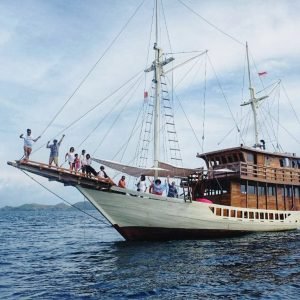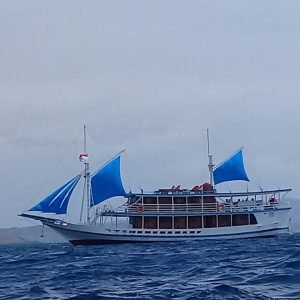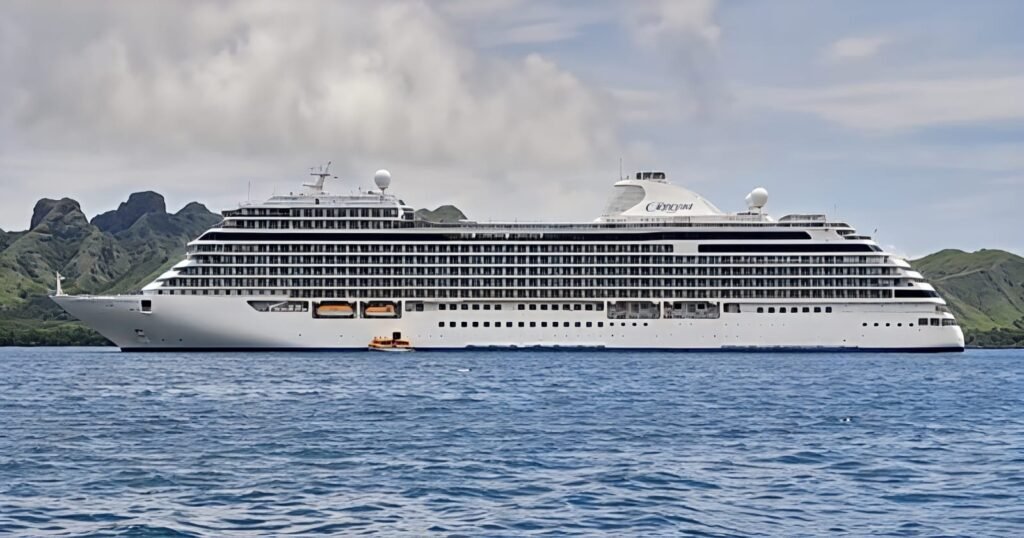
Introduction to Komodo National Park
Komodo trekking and snorkeling at Pink Beach for cruise ship passengers-Situated in Indonesia, Komodo National Park is a remarkable destination known for its rich biodiversity and stunning landscapes. Recognized as a UNESCO World Heritage Site, this national park encompasses several islands, including Komodo and Rinca, and showcases a unique blend of terrestrial and marine ecosystems. The park is primarily famous for its population of Komodo dragons, the world’s largest lizards, which can only be found in their natural habitat here, making it a significant site for conservationists and nature enthusiasts alike.
Komodo National Park’s ecosystem is not limited to its terrestrial inhabitants. The surrounding waters are home to an array of vibrant marine life, including coral reefs, an abundance of fish species, and other marine organisms. This biodiversity not only enhances the ecological significance of the park but also offers a perfect playground for snorkeling and diving enthusiasts. The rich underwater scenery is complemented by the park’s picturesque beaches, notably Pink Beach, which beckons visitors to explore its stunning coral gardens.
For cruise ship passengers, Komodo National Park serves as an attractive stop for unparalleled experiences in nature. The park’s accessibility is one reason for its growing popularity among travelers arriving via cruise ships. Various cruise lines include itineraries that highlight the park, participating in activities such as guided trekking to observe the Komodo dragons at a safe distance and snorkeling excursions that unveil the beauty of its marine ecosystems.
The best time to visit Komodo National Park typically falls between April and December, when the weather is more favorable for exploration and outdoor activities. Understanding the logistics of your visit, including guided tours and necessary permits, enhances the experience in this enchanting national park. With its exceptional wildlife and serene landscapes, Komodo National Park truly offers a once-in-a-lifetime adventure for all who arrive.
Trekking Adventures: Encountering the Komodo Dragons
Trekking on Komodo Island offers an unparalleled opportunity for cruise ship passengers to encounter the iconic Komodo dragons in their natural habitat. The treks are designed to be both exciting and informative, guided by expert rangers who possess extensive knowledge about the local ecology and the behavior of these fascinating reptiles. Several routes are available, ranging from more accessible paths to challenging treks across rugged terrain. The recommended trails lead through scenic landscapes, including savannahs and dense forests, allowing trekkers a chance to appreciate the island’s diverse flora and fauna.
While traversing the island, hikers can expect varying terrain that includes rocky paths, sandy areas, and covered trails. It is advisable to wear sturdy hiking boots and bring adequate sun protection, as some trails may expose you to the sun for extended periods. The best time to embark on these treks is during the cooler months, from April to December, when humidity is lower, and the wildlife is more active. Early morning treks are particularly rewarding, as the Komodo dragons are usually more visible at this time. Trekking in small groups is encouraged; this not only enhances safety but also minimizes impact on the sensitive environment.
As for safety precautions, the presence of a trained guide is essential, as they are equipped to handle unexpected situations. They will instruct travelers on how to behave around the Komodo dragons, emphasizing the importance of keeping a safe distance and adhering to all regulations. Observing these magnificent creatures can be a thrilling experience, but it is crucial to respect their territory and avoid any actions that could disturb their natural behavior. By following the guidance provided by your ranger, cruise ship passengers can enjoy this remarkable experience while ensuring both their safety and the well-being of the Komodo dragons.
Snorkeling at Pink Beach: A Marine Wonderland
Pink Beach, located on Komodo Island, is not only renowned for its stunning landscapes but also for its exceptional snorkeling opportunities. The beach boasts vibrant coral reefs and an array of diverse marine life, making it a must-visit destination for those arriving on cruise ships. As you plunge into the crystal-clear waters, expect to encounter fantastical coral formations teeming with colorful fish, sea turtles, and other unique marine creatures. This underwater paradise is a perfect spot for both novice and seasoned snorkelers.
For cruise ship passengers planning to snorkel at Pink Beach, there are several practical considerations to keep in mind. Many local operators provide snorkeling equipment rentals, offering masks, snorkels, and fins, ensuring a hassle-free experience. Additionally, guided snorkeling tours are available, led by experienced guides who specialize in the local marine ecosystem. These tours often include safety instructions and highlight points of interest beneath the waves, making them an excellent option for those unfamiliar with the area.
It is also vital to prioritize marine conservation while enjoying the natural beauty of Pink Beach. Many organizations are dedicated to protecting the fragile coral reefs and marine life, encouraging visitors to adhere strictly to environmentally friendly practices. Snorkelers are advised to avoid touching the coral and to refrain from collecting marine life as souvenirs. By being mindful of the ecosystem, visitors can play a significant role in preserving its beauty for future generations.
Preparation is key to a successful snorkeling experience. Be sure to wear environmentally safe sunscreen to protect both your skin and the delicate marine ecosystem. Also, consider bringing a reef-safe snorkel or dive suit to safeguard the local corals. Always check weather conditions before entering the water, and stay within designated swimming zones for safety. With proper preparation and respect for the environment, the snorkeling adventure at Pink Beach can be a memorable highlight during your cruise.
Cruise Ship Tips: Making the Most of Your Komodo Visit
For cruise ship passengers planning to explore the stunning natural beauty of Komodo, several practical tips can enhance the experience significantly. Firstly, selecting the right excursions is crucial. Research the available options for trekking and snorkeling at Pink Beach, as these activities are popular due to the vibrant marine life and unique wildlife found on the island. Opting for small group tours can ensure a more personalized experience, allowing for better interaction with local guides who are knowledgeable about the area.
When preparing for your excursion, packing the right gear is essential. For trekking, sturdy footwear, breathable clothing, a sunhat, and plenty of water are recommended. The trails can be rugged, so preparation is key to fully enjoying the hike. For snorkeling, a swimsuit, reef-safe sunscreen, and snorkeling gear are necessary. Many tour operators offer rental equipment, but bringing your own can provide comfort and familiarity.
Additionally, understanding the cruise ship schedule and the tides is important as they can affect your time spent onshore. Check the itineraries ahead of time to ensure you have ample time to partake in activities. Furthermore, local weather conditions can change rapidly, so it’s wise to monitor forecasts to prepare adequately.
Travel insurance is another aspect to consider. With activities that include trekking and snorkeling, having a comprehensive policy can provide peace of mind, safeguarding against unforeseen circumstances like cancellations or medical emergencies. Lastly, remember the importance of responsible tourism. Supporting local communities by purchasing handmade souvenirs or using local guides contributes positively to the economy and helps preserve the environment. By following these tips, cruise ship passengers can make the most of their Komodo visit, enjoying its breathtaking landscapes and rich biodiversity while being respectful of the local culture and ecosystems.