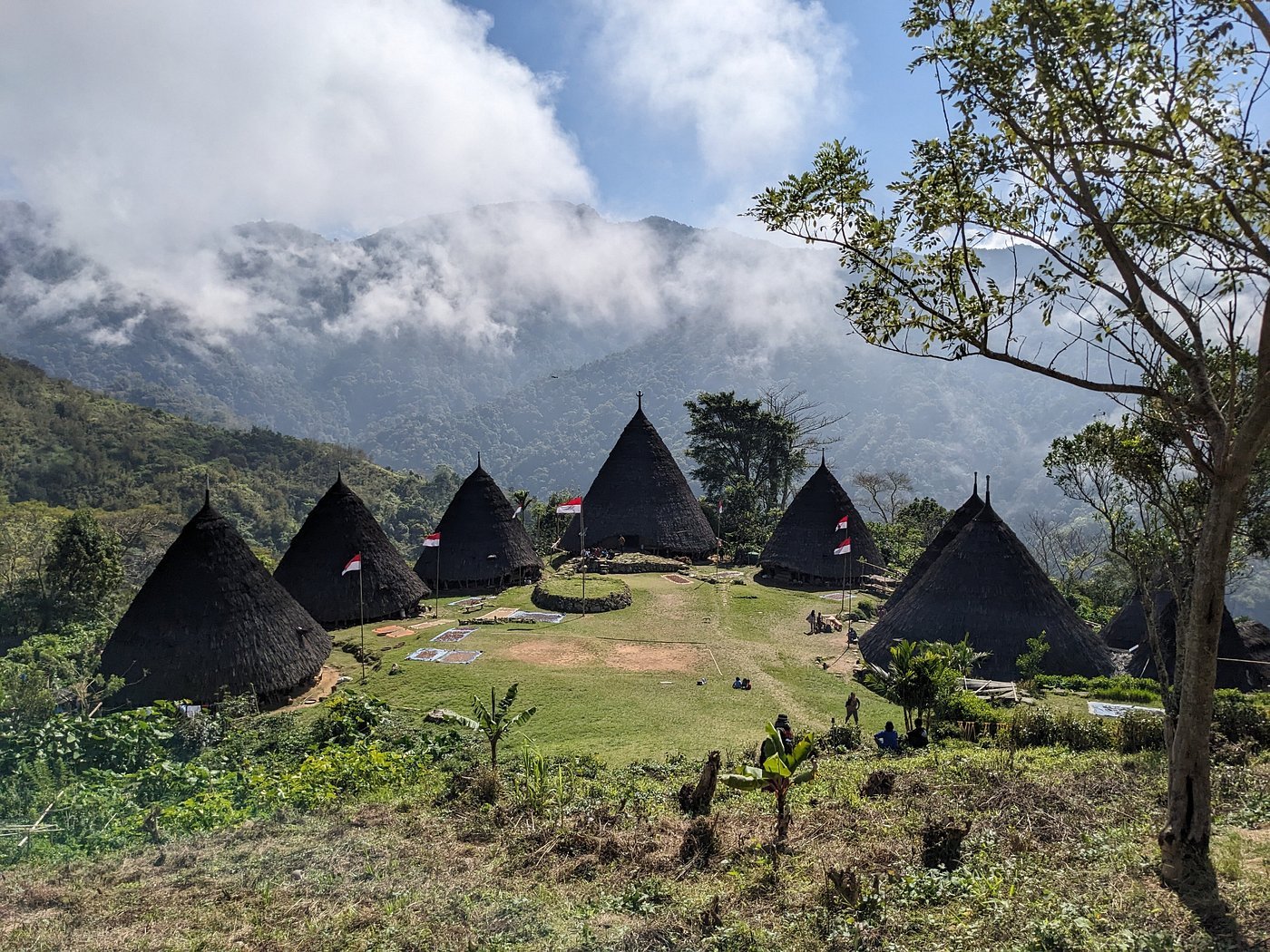
One Day Trip to Wae Rebo Village–Wae Rebo is a captivating traditional Manggarai village nestled in the highlands of Flores, Indonesia. Renowned for its unique cone-shaped houses, known as rumah adat, Wae Rebo offers visitors a glimpse into the rich tapestry of Manggarai culture and history. This village stands out not only for its architectural beauty but also for its significance as a haven for preserving the indigenous heritage of the Manggarai people.
Located approximately 1,200 meters above sea level, Wae Rebo is enveloped by lush green hills and coffee plantations, adding to its allure. The journey to the village from either Labuan Bajo or Ruteng is a scenic adventure, featuring breathtaking views of nature that enhance the overall experience of travelers. It is this stunning backdrop that contributes to Wae Rebo’s emergence as a popular one-day trip destination, appealing to both adventure seekers and cultural enthusiasts alike.
The architecture of Wae Rebo is particularly noteworthy, with its distinct thatched-roof houses, which are constructed using traditional methods passed down through generations. These structures not only provide shelter but also embody the community’s values and way of life. Visitors can engage in local customs, experience traditional ceremonies, and indulge in the warm hospitality of the villagers, making it a holistic cultural experience.
Moreover, the vibrant culture of Wae Rebo is manifested in its arts, music, and culinary traditions, allowing travelers to immerse themselves fully. The village’s commitment to sustainability and preservation of its environment further solidifies its position as a model site for responsible tourism. Thus, Wae Rebo serves as a perfect one-day trip destination for those exploring Flores, offering an enriching blend of nature, culture, and history.
Getting to Wae Rebo from Labuan Bajo or Ruteng
Traveling to Wae Rebo presents an enriching experience, as it offers breathtaking scenery and insight into the local culture. There are several transportation options available to access this stunning destination from both Labuan Bajo and Ruteng.
For those departing from Labuan Bajo, which is more famous as a gateway to Komodo National Park, the journey typically takes about 4,5 hours. Travelers can opt for a private car, which offers flexibility and comfort.
From Ruteng, the town serves as a convenient starting point for visiting Wae Rebo, with travel times ranging from 3 to 4 hours via a private vehicle. Similar to Labuan Bajo, travelers can hire private cars for ease of travel, though you may need to anticipate a longer travel duration due to multiple stops along the way.
Guided tours represent another viable option, often including transportation, meals, and a local guide for a more immersive experience. Regardless of the mode of transportation chosen, travelers should ensure that they have sufficient water, snacks, and cash for any unforeseen expenses, as amenities along the way may be limited.
What to Expect on Your One Day Trip to Wae Rebo
Embarking on a one day trip to Wae Rebo promises a blend of adventure and cultural immersion, providing travelers with a unique experience in one of Indonesia’s lesser-known gems. The day typically starts early in the morning, departing from Labuan Bajo or Ruteng Town. Upon arrival at the base of the trek, visitors will embark on a scenic hike that takes approximately 2-3 hours. The trail winds through lush forests and offers breathtaking views of the surrounding hills, all while giving trekkers a chance to appreciate the beauty of Flores’ natural landscape.
As you approach the village, the distinct architecture of the roundhouses, known as “Mbaru Niang,” comes into view. These traditionally shaped houses, built from bamboo and thatched roofs, are central to Wae Rebo’s identity. Upon arrival in the village, travelers are often greeted by the friendly local community eager to showcase their way of life. Engaging with local villagers provides insight into their daily routines, agricultural practices, and the community’s rich heritage.
After exploring the village, visitors are invited to partake in various cultural experiences. One popular activity is participating in a local cooking session where guests can learn to prepare traditional dishes using ingredients sourced from the area. Additionally, guided tours around the village will shed light on local customs and beliefs, enriching the visitor’s understanding of Wae Rebo’s cultural significance.
The day culminates with a breathtaking view from the village, where one can enjoy the sunset illuminating the landscape. As anticipation builds for the return hike, travelers will reflect on a fulfilling day filled with nature, culture, and community interaction. This combination of hiking, cultural exploration, and scenic beauty makes a one day trip to Wae Rebo truly memorable.
Tips for a Memorable Visit to Wae Rebo
Visiting Wae Rebo offers travelers an opportunity to delve into the rich culture and stunning landscapes of Indonesia. To ensure a memorable trip, it is essential to consider a few recommendations that will enhance your experience at this village.
Firstly, proper attire is crucial. Wae Rebo is situated in a mountainous area, and its climate can be cool and rainy. Therefore, wearing comfortable hiking shoes and layered clothing is advisable. Waterproof jackets or ponchos are practical additions to protect against unexpected showers. Additionally, consider bringing a light backpack to store snacks, water, and any personal items.
Photography is undoubtedly one of the highlights of visiting Wae Rebo, but it is vital to respect local customs and the privacy of residents when snapping pictures. Always ask for permission before photographing individuals, especially children. Also, be sensitive to the cultural significance of certain spaces, particularly sacred sites and local ceremonies, where photography might be discouraged.
To truly immerse yourself in the local culture, take the time to engage with the Wae Rebo community. Participate in traditional activities or listen to their stories, as these interactions enhance both your experience and the villagers’ economic sustainability. Be respectful towards their customs and practices, and practice eco-friendly tourism by minimizing waste.
Lastly, preserving the natural beauty of Wae Rebo is everybody’s responsibility. Follow marked paths and avoid littering to help maintain the environment. By preparing properly and respecting local culture, each visitor can contribute to the charm and integrity of this unique location.